The organizations that keep their systems working are the ones that design them to evolve from the start.
This month, our four specialists show you how: documentation that stays accurate because someone keeps asking, not because it was approved once. Translation workflows that move upstream into quality management, where corrections cost less and catch more. AI maturity that progresses through stages, measured by actual outcomes not tool adoption. And compliance content that lives and updates continuously across every market and language you operate in.
Each section explores what it means to build systems that work because they are designed to keep working.
The Intertranslations Team
What if the Words That Sound the Most Natural Are Exactly the Ones Worth Double-Checking?
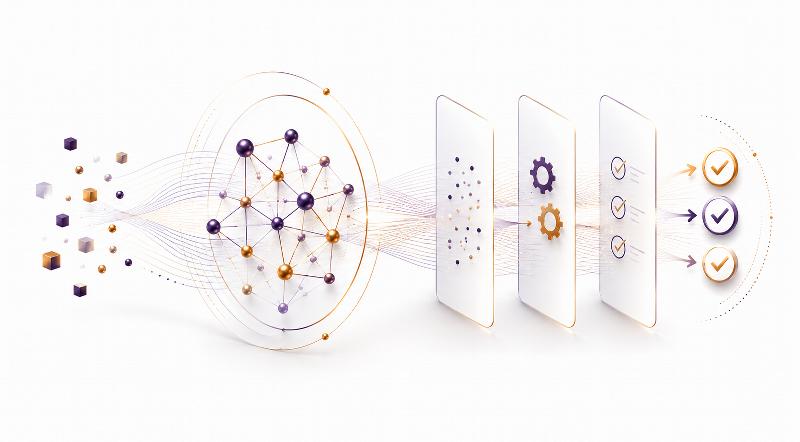
Regulated industries like pharma, medical devices, cosmetics and finance run on proof. Every claim needs a source, every warning needs a legal basis, and every word has to be defensible if someone ever asks why it’s there. Fluency stopped being the bottleneck in AI translation years ago. What comes next is proving that fluency is also correct. Knowledge Graph-Mediated Translation builds this proof into the workflow from the start. In a live demo with a skincare label, the system recognized that a particular ingredient concentration required a safety advisory under EU law, one that was not present anywhere in the source text. The system added it automatically, before translation was even complete. The results: detection recall moved from 24% to 100%, consistently across every language tested. Translation systems that sound right now show their work. Every flag traces back to the specific rule behind it. Issues get resolved before publication, with reasoning included. This is not a better prompt. It is infrastructure.
Discover how systems architecture makes compliance automatic.
Seven Habits of High-Reliability Teams Who Keep Their Documentation Accurate Across Markets
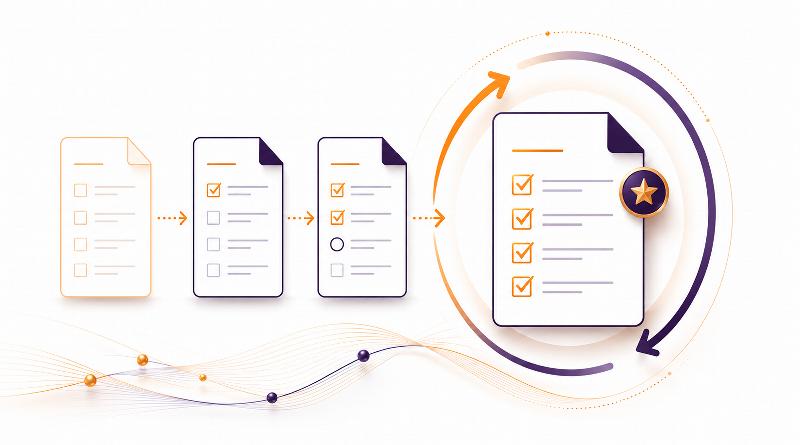
Documentation does not stay accurate because it was approved. It stays accurate because someone keeps asking. After seven years and hundreds of technical translation projects, the pattern is clear: the teams that maintain precision across markets share seven consistent habits. They assign ongoing ownership rather than one-time approval. They schedule re-validation alongside regulatory updates. They treat localized versions as living documents, not finished artifacts. They build terminology reviews into every product cycle. They question the glossary before they question the translation. They track which documents feed the most downstream decisions. They audit the untouchable ones first, the ones nobody touches because they were never supposed to change. The difference is not process complexity. It is the difference between localization as a service and localization as a safeguard. Which document in your organization is overdue for a fresh set of eyes?
Discover what keeps documentation reliable across markets.
Bringing Translation Into Quality Management at Concept Stage
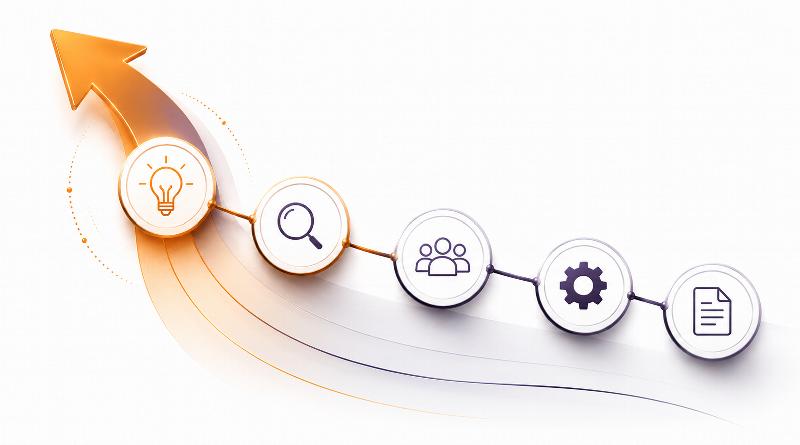
After seven years and hundreds of medical device translation projects, the habit that consistently saves the most time has less to do with working faster and more to do with bringing translation into the quality management system at concept stage, rather than treating it as a downstream task once the technical file is close to final. The shift costs nothing in additional resources. It simply moves the same work earlier, when a correction is still inexpensive to make. Translation at concept stage means terminology is locked before design decisions are documented. It means regulatory pathways are multilingual before they are locked in. It means the QMS already includes language considerations when risk assessments are being drafted, not months later when revisions become expensive and time-consuming. Early integration is not a language team preference. It is a business efficiency principle. The organizations that apply it report fewer revision cycles, faster approvals, and a clearer audit trail. The cost of moving work upstream is minimal. The cost of moving it downstream, after discovery, is substantial.
Learn why early translation integration transforms medical device workflows.
Content Compliance is Not a One-Time Task. It is a Living System.
Regulations keep evolving across every market you operate in, and they almost never move in perfect sync. Advertising rules, responsible gambling requirements, AML, and KYC obligations all follow their own timelines, making it tough for multi-jurisdiction operators to stay ahead on every front at once. This is why your terms and conditions, bonus wording, disclaimers, and responsible gaming messages work best as living documents. They need continuous monitoring, tight version control, and timely updates rather than sitting untouched until the next big regulatory shake-up forces a complete rewrite. When that content crosses into another language, the challenge multiplies. Every compliance decision made in the source language gets stress-tested all over again in the target version. Content compliance systems that work are the ones designed from the start to evolve. Version control matters. Monitoring schedules matter. Knowing which markets drive which requirements matters. The operators who treat compliance documentation as static will eventually treat compliance failures as surprises.
Explore how to build compliance systems that actually evolve.